EODEM – Efficiently Exchange Object Information During Loans
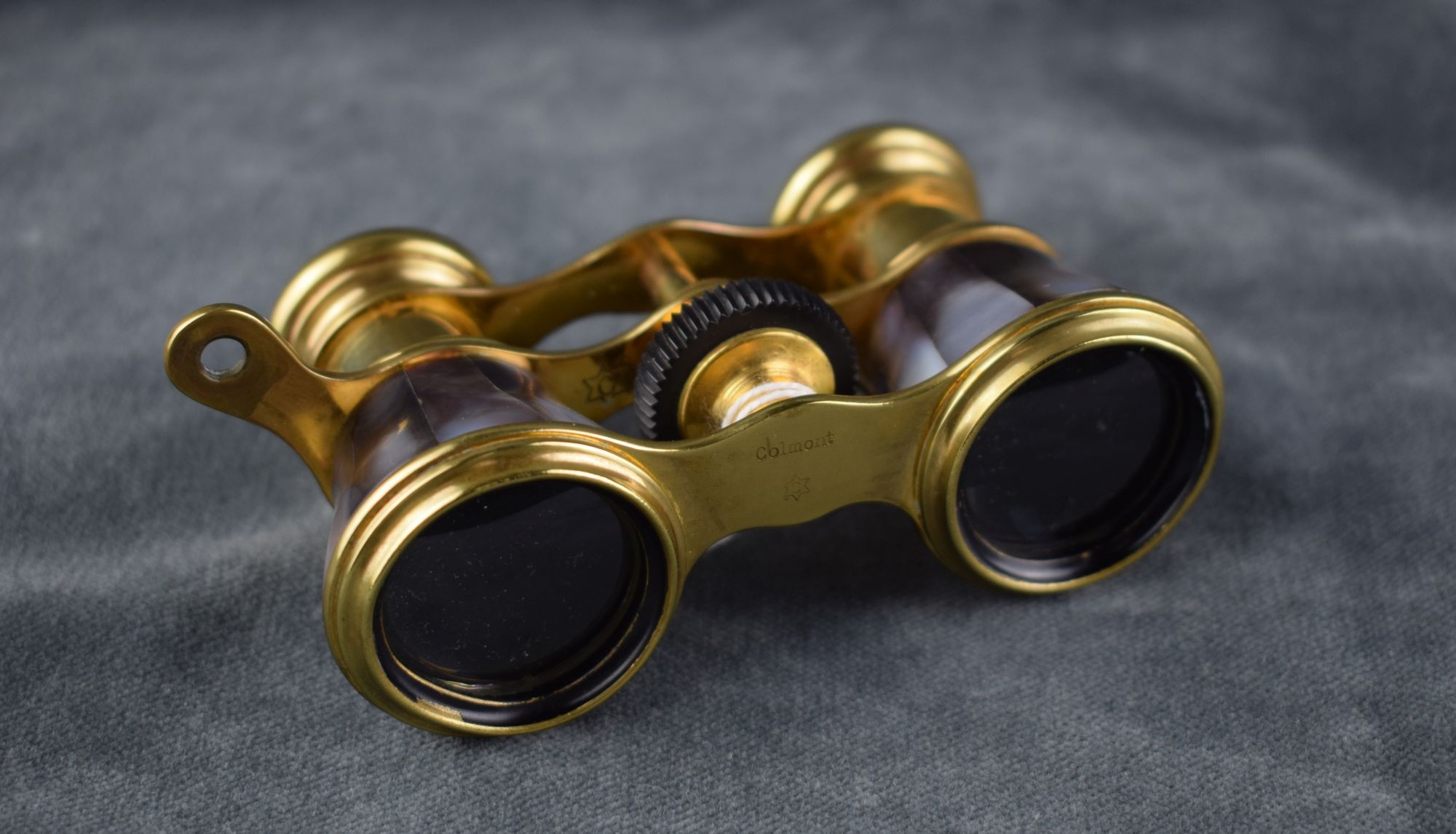
musdb now provides import and export tools for the EODEM standard, allowing for the simple exchange of loan object information.

musdb now provides import and export tools for the EODEM standard, allowing for the simple exchange of loan object information.

In one transaction, a museum buys 50 objects at an auction price for 3600 Euro. What is the price of a single one of the objects in the transaction? Realistically there is none. But musdb required one to enter a price for the acquisition of each single object thus far. Hence, users were left with …

Usually the development of musdb (and the other parts of museum-digital software) follows a rolling release paradigm. A new feature is developed, tested, and then distributed. Updates are – usually – not held back. Over the last month, we made an exception, as there will be a lot of new features and a slight redesign …
After trying a monthly change log once some month ago, we have unfortunately been rather lenient with notifying everyone of new features and updates in the last months. To approach betterment, here there is a list of the updates of November 2022 the form of screenshots. As a very large update is upcoming in the …
In the last month we have been able to finally release the long-anticipated French and Russian translations of the frontend of museum-digital as well as musdb. A Ukrainian translation is currently being worked on as well. Thanks a lot to the colleagues from Speyer and Berlin-Karlshorst for organizing and translating!
On September 6th 2022, we continued our monthly user meetups. As should best become the norm, we discussed recent new features of the preceeding month and plan a next meetup on the first Tuesday of October (October 4th, 2022, 5 p.m. at https://meet.jit.si/museum-digital-meetup-202210). A summary of the new features and updates can be found in …
In my collection management system, I want to be able to see which objects have newly been acquired by the museum on a given day. Or on any day of a given month. Obviously. In musdb, the former was possible if imperfect thus far. The latter was not possible at all. This is because data …

On Tuesday last week we had our first international user meetup. As proposed, we mainly discussed recent updates and new features before opening up the general discussion. In the process, we also wrote a list of the new features introduced with short notes on each. You can find it below. The next monthly meetup is …

Development on museum-digital will be concentrated on more internal functionalities in the next months, but some small improvements continue to be made in the public frontend. Like today: We have now implemented the option to directly link to a position on a map view for object search results both in the frontend and in musdb. …

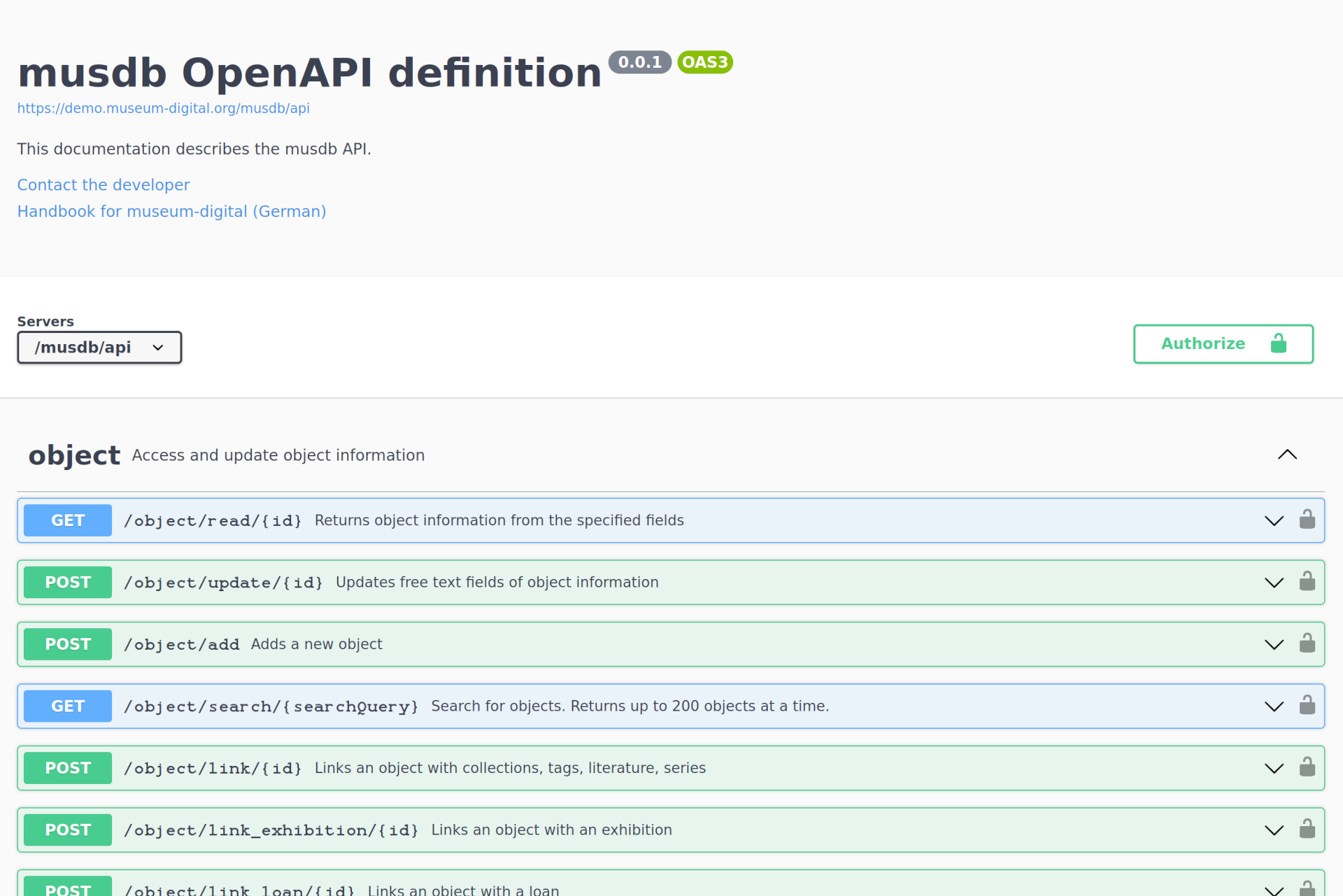
The public API of the frontend of museum-digital has long been in use – for example for embedding objects directly from museum-digital in a given museum’s website. The API is stable and well-established. In musdb, our inventorization and museum management tool, however, the situation is more complicated. On the one hand, musdb is simply much …

Over the years, many presentations have been held about museum-digital. Articles have been written, and so have tutorials and other documents. To not let them fade into obscurity on the hard drives of their authors, we have now set up a document archive for such files: files.museum-digital.org. For the start we have compiled primarily presentations …

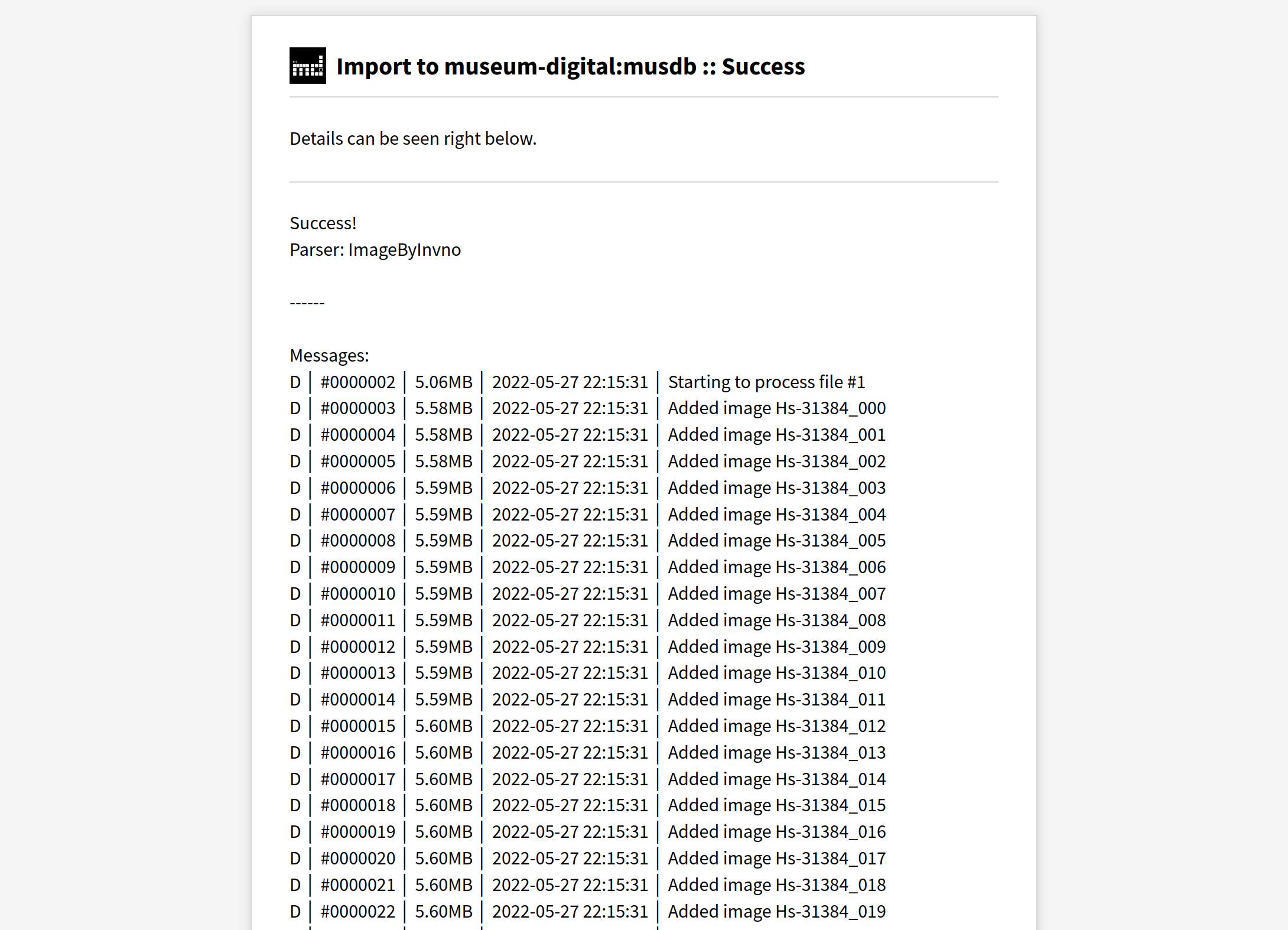
Until May 2022, the import of new data to museum-digital was always limited by the need to involve a member of the development team. Not least, because users had no option to upload potential import data in bulk. After many years, we have now finally opened up a way for users with access to musdb …

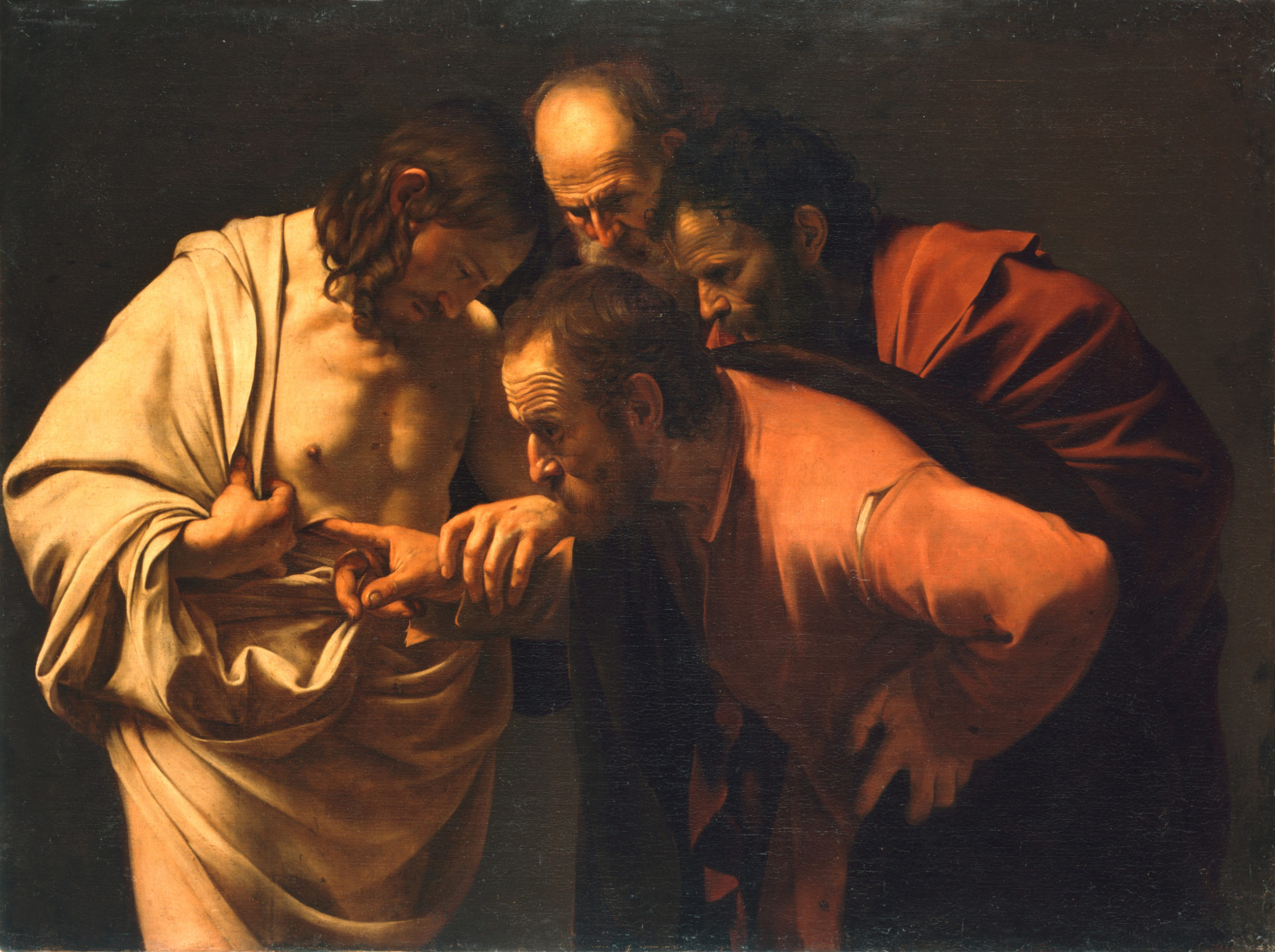
Many have seen it and the feedback has been consistently positive thus far: For many objects, museum-digital can now offer a revamped image viewer with improved features, such as a much better zoom function. This is made possible by the image viewer Mirador and our IIIF API. The fact that museum-digital offers an IIIF API …
Many imports of data confront us with Places like “Berlin ?” and times like “ca. 1328” konfrontiert. The import tool of museum-digital has been able to handle such entries for quite a time: “Berlin ?” is recognized to mean that the place is actually “Berlin”, but that the entry is not made with complete certainty. …

Over the last months, we have not been inactive in further developing museum-digital. We mainly worked to improve the legibility of our code under the hood – say, most changes will hopefully not be noticeable, but an improved speed of especially searches for objects may be a positive and visible effect. Either way, we have …

OpenSearch is an open web standard for describing search functions of web services. If a website supports it, the browser will take note and offer the user to install the website as a search machine. One especially nice aspect of it is, that OpenSearch can be implemented in just a few lines of code. It …
museum-digital has a lot of “hidden” features; hidden on purpose to not blur the users’ focus. One of these is the text blocks features in musdb, our inventorization and data input tool. Thus far, the text blocks had only been described in a presentation from mid-2018 (in German) – hence this blog post.
While most of the weekend had us preoccupied with doing a long-thought-over plan, we managed to squeeze in a minor improvement of the object selection mode in musdb: A “select all” option similar to how – for example – all files are selected in the Windows Explorer. To use it, press <CTRL+a> while in the …

The frontend of museum-digital is now available in Turkish. As a very nice side effect, this also unlocks the Turkish translations for keywords, and place and actor names we have been gathering for the last half a year. Image credits: Eva Gonzalès: „Girl Awakening“, Kunsthalle Bremen – Der Kunstverein in Bremen (CC BY-NC-SA)

A lighter is an object. With one, or maybe two perspectives – images. A book is an object. With potentially hundreds of pages – images. To simplify the management of objects with many images musdb offers the option to upload multiple images at a time. This option is however limited by global server settings like …